

Order includes Free:
ESA Fastpass® ID & Televet Services
Order includes Free:
ESA Fastpass® ID & Televet Services

Living away from home can be overwhelming, especially when you’re managing emotional or psychological challenges. Whether you’re navigating a new city, juggling class schedules, or just adjusting to adulthood, having your emotional support cat or dog with you can make a meaningful difference.
If you’re renting a place off campus and wondering how to legally keep your emotional support animal, you’re in the right place. Support Pets is here to help you stay connected to your ESA with the documentation that matters—so you can feel supported, wherever you’re living.
An Emotional Support Animal (ESA) is a dog or cat that offers comfort and stability to people experiencing emotional or psychological challenges. Unlike service animals, ESAs don’t require special training, but they do require approval from a licensed practitioner to receive legal protections under the Fair Housing Act.
At Support Pets, we help people across the country, including students, secure valid ESA letters that protect their right to live with their emotional support animal (dogs and cats only) in most housing situations. While we don’t work with college dorms, our letters are often helpful for off-campus housing and rentals.
If you’re renting an apartment, house, or shared space that’s not owned or operated by a school or university, it’s typically considered off-campus housing, and it’s usually covered under the Fair Housing Act (FHA).
This means landlords must make reasonable accommodations for emotional support animals when you have valid documentation.
With a valid ESA letter, you may be able to:
Without an ESA letter, housing providers are not legally required to make these accommodations.
You may qualify for an ESA if a licensed practitioner determines that your pet helps alleviate emotional or psychological challenges such as stress, anxiety, trouble sleeping, or difficulty adjusting to daily life.
Signs you might qualify include:
Visit our guide on Who Qualifies for an Emotional Support Animal to learn more.

At Support Pets, we believe getting emotional support should never feel complicated. That’s why we’ve built a clear, compassionate process that fits into your life—no office visits, no paperwork headaches.
Here’s how it works:
It’s secure, private, and built around your well-being. If you’re wondering what the letter includes, check out What Is an ESA Letter.
It’s always best to be proactive and honest with your landlord. Once you receive your ESA letter from Support Pets, you can share it directly with your housing provider. Here’s what to remember:
Need help understanding your rights? Our ESA Laws page breaks down your protections under the Fair Housing Act.
No, your ESA letter for off-campus housing is the same kind of documentation recognized under federal emotional support animal laws. As long as the housing you’re renting isn’t owned or operated by a university or college, it’s likely covered under the Fair Housing Act. A valid ESA letter from a licensed practitioner is what grants you legal protection.
Yes. If you’re renting a private apartment, house, or other off-campus unit near school, a valid ESA letter may allow you to live with your emotional support cat or dog—even in a building with a no-pet policy. Support Pets makes it easy to qualify with a compassionate, judgment-free process that keeps your needs in focus.
Once you’ve been approved for an ESA letter, you can provide it to your landlord as documentation of your housing rights. You’re not required to share personal medical details—your letter contains everything a landlord legally needs to review. ESA laws require housing providers to make reasonable accommodations when the paperwork is valid.
ESA protections apply to traditional and off-campus housing under the Fair Housing Act. College or university-owned housing may follow a different set of policies and is not guaranteed to accept emotional support animals. If you’re unsure whether your housing is covered, focus on rentals not managed by educational institutions.
No. Under federal ESA laws, landlords are not allowed to charge additional fees, deposits, or monthly pet rent for an approved emotional support animal. That said, you’re still responsible for your animal’s behavior and any damage caused during your lease.
There’s no legal requirement to register your emotional support animal. ESA registration is not recognized by law. What matters is having a valid ESA letter from a licensed practitioner. That’s what protects your rights in off-campus student housing—and that’s what Support Pets helps you get.
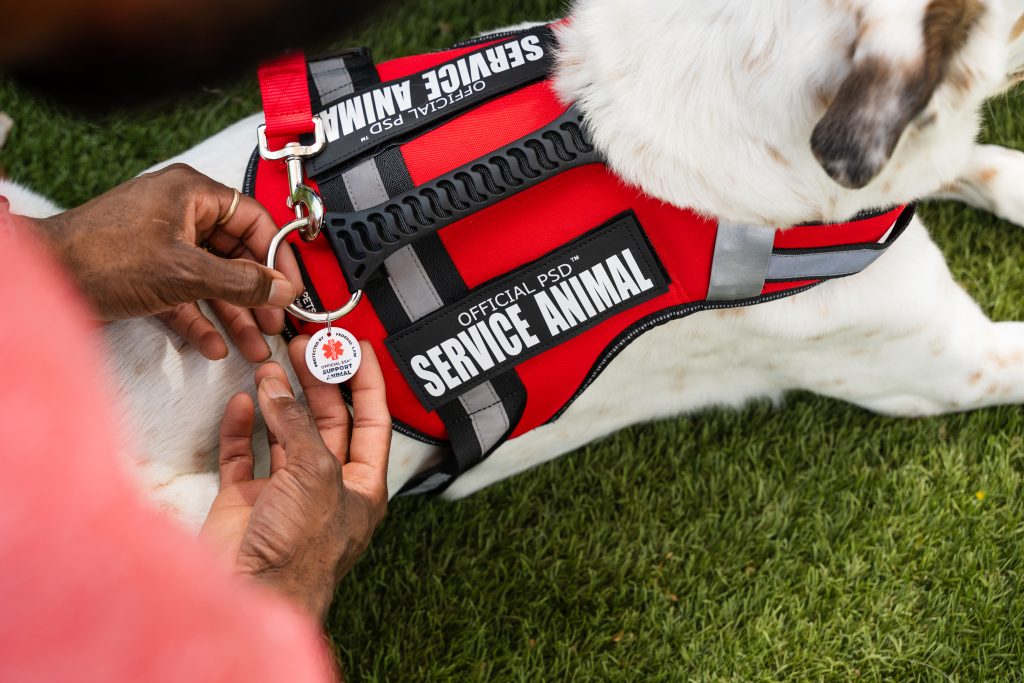
Moving can be stressful, but living with the support of your emotional support cat or dog doesn’t have to be. If you’re renting off campus and want to make sure you’re protected, a valid ESA letter is your first step.
At Support Pets, we’re here to make the process simple, trusted, and judgment-free—so you can focus on living well, with the pet that supports you.
*Support Pets provides ESA documentation through licensed practitioners. Dogs and cats only. ESA protections apply primarily to housing under the Fair Housing Act. Substantial limitations apply. Not available in California, Colorado, Louisiana, or Arkansas. This page addresses traditional off-campus housing and does not apply to university or college-operated residences.
© 2025 - Support Pets - All rights reserved